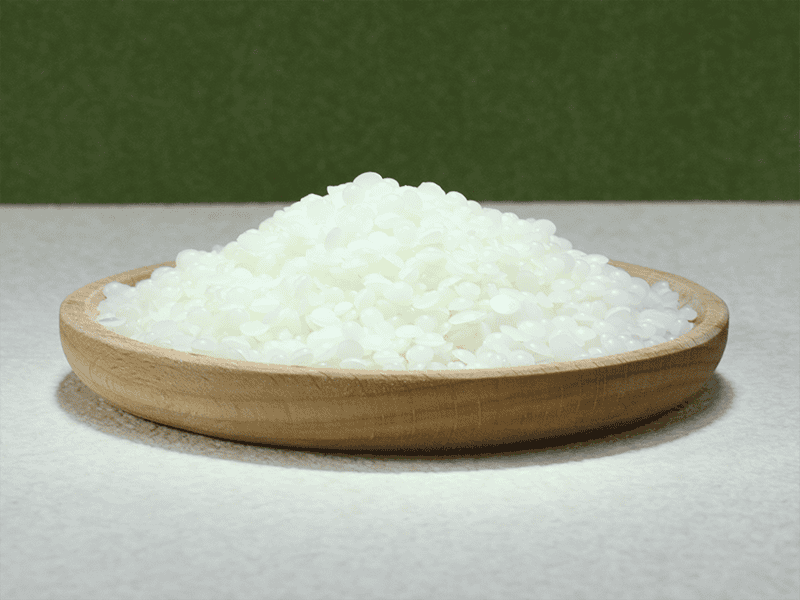
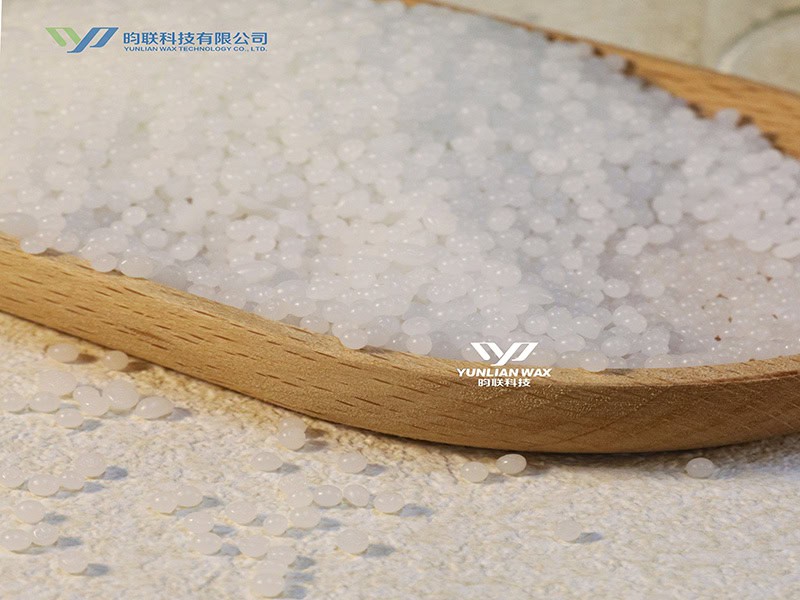
Polyester Solid Plasticizers For Pipes: Ensuring Long-Term Durability and Performance
News 2026-05-19
The global infrastructure for water supply, sanitation, and industrial fluid transport relies heavily on a network of durable, reliable, and safe piping systems. At the core of many flexible and robust plastic pipes, particularly those made from Polyvinyl Chloride (PVC), lies a critical component: the plasticizer. While many options exist, Polyester Solid Plasticizers For Pipes have emerged as the advanced solution for applications demanding uncompromising performance, longevity, and regulatory compliance. Unlike conventional liquid plasticizers, these solid, polymeric additives offer a paradigm shift in permanence and reliability. This in-depth guide explores the pivotal role of Polyester Solid Plasticizers For Pipes, detailing their unique advantages, mechanism of action, and why they are the preferred choice for engineers and manufacturers of high-specification piping systems.
The Critical Challenge in Pipe Manufacturing: Plasticizer Migration
The primary failure mechanism in many plasticized PVC pipes is the gradual loss of the plasticizer over time—a phenomenon known as migration or extraction. When a pipe is exposed to various environmental conditions, such as flowing water, soil chemicals, or temperature fluctuations, small-molecule liquid plasticizers can leach out. This leads to a cascade of problems: the pipe becomes brittle, loses its flexibility, and is prone to cracking and failure. Furthermore, the leached plasticizers can contaminate the transported water, raising health and safety concerns. This is the fundamental problem that Polyester Solid Plasticizers For Pipes are engineered to solve.
Why Polyester Solid Plasticizers For Pipes Are a Superior Solution
Polyester Solid Plasticizers For Pipes are high-molecular-weight polymers that are physically blended into the PVC matrix. Their large molecular size is the key to their superior performance, offering distinct benefits that are critical for pipe applications:
- Exceptional Low Migration and Extraction Resistance: The large polymer chains of Polyester Solid Plasticizers For Pipes are physically entangled within the PVC matrix, making it extremely difficult for them to migrate out. This ensures that the pipe retains its flexibility, impact resistance, and mechanical strength over its entire designed lifespan, even when transporting aggressive media or buried in chemically active soils.
- Long-Term Hydrolysis Resistance: Pipes are constantly exposed to water. High-quality Polyester Solid Plasticizers For Pipes are specifically formulated to resist hydrolytic degradation, meaning they will not break down in the presence of water, ensuring consistent performance year after year.
- Enhanced Durability and Weatherability: Pipes used in outdoor or exposed applications face UV radiation and ozone. The permanence of Polyester Solid Plasticizers For Pipes contributes to better resistance to environmental aging, preventing the surface embrittlement and cracking that can plague pipes with less stable plasticizers.
- Compliance with Stringent Water Quality Standards: Due to their low migration, Polyester Solid Plasticizers For Pipes significantly reduce the risk of contaminating potable water. They are designed to meet rigorous international standards for drinking water contact, such as NSF/ANSI 61, WRAS, and KTW, providing peace of mind for municipal and residential projects.
- Improved Processing and Handling: In their solid form, these plasticizers are dust-free and easy to handle, reducing workplace exposure and improving the accuracy of dosing during the compounding and extrusion processes.
Key Applications for Polyester Solid Plasticizers For Pipes
The use of Polyester Solid Plasticizers For Pipes is essential across a wide spectrum of piping applications where failure is not an option:
- Potable Water Pipes: For both cold and hot water systems, ensuring safe, clean, and reliable water delivery to homes and buildings.
- Industrial and Chemical Discharge Pipes: Resisting extraction by oils, solvents, and other industrial chemicals, making them ideal for factory and laboratory waste systems.
- Underground Mining and Landfill Leachate Pipes: Withstanding harsh soil conditions and aggressive leachates without degrading.
- Swimming Pool and Irrigation Hoses: Providing long-term flexibility and resistance to chlorine and other chemicals used in water treatment.
- Fire Sprinkler Flexible Hoses: Where reliability and durability under pressure are critical for life safety systems.
Selecting the Right Grade of Polyester Solid Plasticizers For Pipes
Not all polyester plasticizers are identical. Performance varies based on molecular weight and chemical structure. When selecting Polyester Solid Plasticizers For Pipes, manufacturers consider factors such as:
- Compatibility and Efficiency: The grade must be fully compatible with PVC to avoid blooming and offer sufficient plasticizing efficiency for the required flexibility.
- Molecular Weight: Higher molecular weight generally correlates with lower migration but may present slightly higher processing viscosity.
- Low-Temperature Flexibility: Ensuring the pipe remains flexible in cold climates is a key performance indicator influenced by the plasticizer choice.
Yunlian: Your Partner for High-Performance Pipe Solutions
As a specialist in polymer additives, Yunlian develops and manufactures advanced Polyester Solid Plasticizers For Pipes that are engineered to meet the most demanding performance and regulatory requirements. Our products are the result of extensive R&D focused on achieving the optimal balance of permanence, processability, and cost-effectiveness for pipe manufacturers worldwide. We provide the technical support to help you integrate these superior plasticizers into your formulations, ensuring your piping systems stand the test of time.
In conclusion, Polyester Solid Plasticizers For Pipes represent the gold standard in modern pipe manufacturing. By virtually eliminating the primary cause of long-term PVC pipe failure—plasticizer loss—they enable the creation of safer, more durable, and more reliable fluid transport systems for the 21st century. Investing in this advanced technology is an investment in infrastructure integrity and public health.