Embracing a Greener Future: A Deep Dive into Polyester Solid Plasticizers Sustainable Solutions
News 2026-05-19
The global chemical industry is at a pivotal crossroads, where performance requirements must now align seamlessly with environmental responsibility. In the realm of plasticizers, which are essential for imparting flexibility, durability, and workability to polymers, this shift is particularly pronounced. Traditional phthalate-based plasticizers are increasingly facing regulatory scrutiny and consumer pushback. In this new era, Polyester Solid Plasticizers Sustainable Solutions are emerging not just as an alternative, but as the definitive path forward for manufacturers committed to innovation, safety, and ecological stewardship. This blog explores why these solutions are revolutionizing product formulations and how to identify truly sustainable options for your business.
Understanding Polyester Solid Plasticizers and the Drive for Sustainability
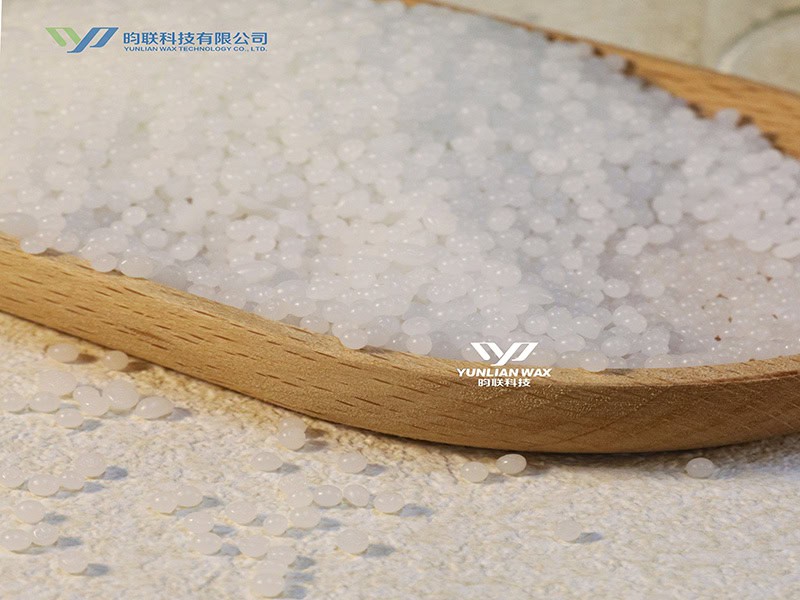
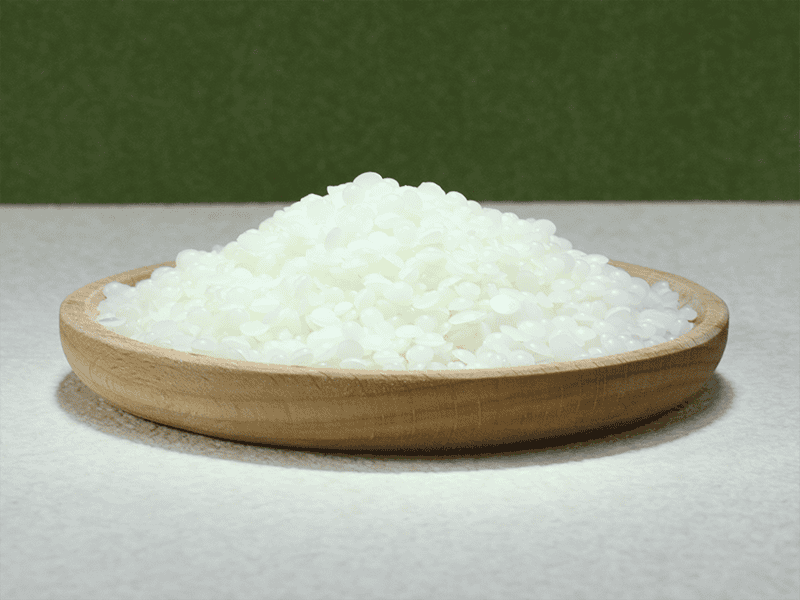
Polyester Solid Plasticizers are a class of high-molecular-weight plasticizers known for their exceptional permanence. Unlike their liquid counterparts, they exhibit very low migration, low volatility, and high extraction resistance, making them ideal for applications requiring long-term durability and stability. They are traditionally valued in demanding sectors such as:
- PVC Pipes and Fittings: Ensuring long-term flexibility and preventing brittleness in pressure pipes and other critical infrastructure.
- Wire and Cable Insulation: Maintaining performance and safety over the lifetime of the product.
- Automotive Interiors: Providing lasting flexibility in dashboards and other components while reducing fogging.
- Food Contact Materials and Medical Devices: Where non-migration and non-toxicity are paramount.
The “Sustainable Solutions” aspect elevates this foundational performance. It encompasses the entire product lifecycle—from the sourcing of raw materials derived from renewable or bio-based feedstocks, through manufacturing processes that minimize energy consumption and waste, to the end-of-life impact of the plasticized product, which is often more durable and longer-lasting, reducing waste.
The Environmental and Performance Advantages of Polyester Solid Plasticizers Sustainable Solutions
Adopting genuine Polyester Solid Plasticizers Sustainable Solutions offers a compelling multi-faceted value proposition:
- Reduced Environmental Footprint: Leading Polyester Solid Plasticizers Sustainable Solutions are designed with a focus on green chemistry principles. This can involve utilizing bio-based raw materials, which lowers dependency on fossil fuels and reduces the overall carbon footprint of the final product.
- Regulatory Compliance and Safety: As global regulations like REACH in Europe and similar frameworks worldwide tighten restrictions on hazardous substances, these sustainable solutions are formulated to be non-phthalate and meet the most stringent safety standards for food contact, toys, and medical applications. This future-proofs your products against evolving legislation.
- Enhanced Product Durability and Longevity: The core functionality of polyester solid plasticizers directly contributes to sustainability. By creating products that are more resistant to migration, extraction, and weathering, these plasticizers extend the useful life of PVC articles. A PVC pipe that remains flexible and crack-free for decades is a inherently sustainable product, as it reduces the need for replacement and conserves resources.
- Supporting a Circular Economy: The permanence of Polyester Solid Plasticizers Sustainable Solutions makes them excellent candidates for products within a circular model. Their stability means they are less likely to leach out during the use phase or contaminate recycling streams, facilitating the recycling of PVC products.
Key Considerations When Sourcing Polyester Solid Plasticizers Sustainable Solutions
Not all products marketed as “sustainable” are created equal. When seeking authentic Polyester Solid Plasticizers Sustainable Solutions, partner with suppliers who can provide:
- Technical Transparency: Request detailed information on the bio-based content, life cycle assessment (LCA) data, and specific environmental certifications.
- Performance Validation: Ensure the sustainable solution does not compromise on key performance metrics like plasticizing efficiency, low-temperature flexibility, and processing characteristics. It must be a true 1:1 replacement or even an upgrade.
- Manufacturer’s Commitment: The most reliable partners are forward-thinking manufacturers who invest in R&D specifically dedicated to green chemistry. A company like Yunlian, for instance, focuses on developing advanced Polyester Solid Plasticizers Sustainable Solutions that meet both high-performance and stringent environmental criteria.
Yunlian: Your Partner for Advanced Polyester Solid Plasticizers Sustainable Solutions
As a specialist in polymer additives, Yunlian is at the forefront of developing next-generation Polyester Solid Plasticizers Sustainable Solutions. We understand that sustainability is a complex equation balancing planet, performance, and profitability. Our products are engineered to deliver:
- Superior Permanence: For applications requiring extreme durability, such as pipes and cables.
- Regulatory Readiness: Formulations designed to be compliant with global environmental and safety regulations.
- Technical Collaboration: We work with our clients to seamlessly integrate our sustainable solutions into their existing processes, ensuring a smooth transition to greener product lines.
Conclusion: The Future is Flexible and Sustainable
The transition to Polyester Solid Plasticizers Sustainable Solutions is no longer a niche trend but a fundamental business imperative. By choosing these advanced materials, companies can enhance their brand reputation, ensure regulatory compliance, and contribute positively to environmental goals, all without sacrificing the quality or performance of their end products. It’s a strategic decision that positions your business as a leader in the new, green economy.